Nuckelavee

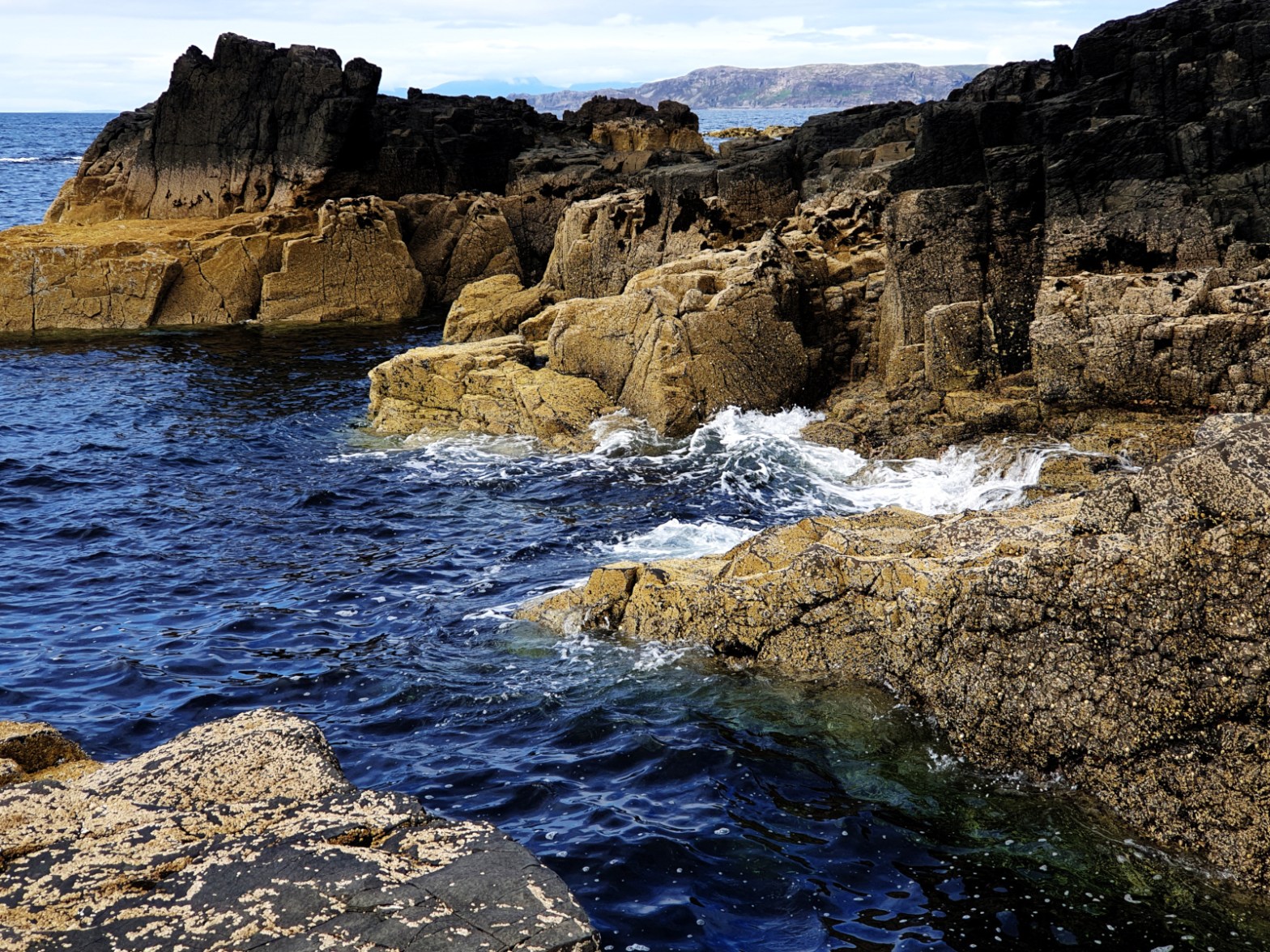
This week’s story prompt comes via two photos that span a bit of both distance and time. The post’s featured image is a scrap of coastline at the north of Mull, which we visited this summer. I’m sure I’ve waxed lyrical about the island’s beauty and splendour before, so I’ve leave that as pre-said.
binary comment

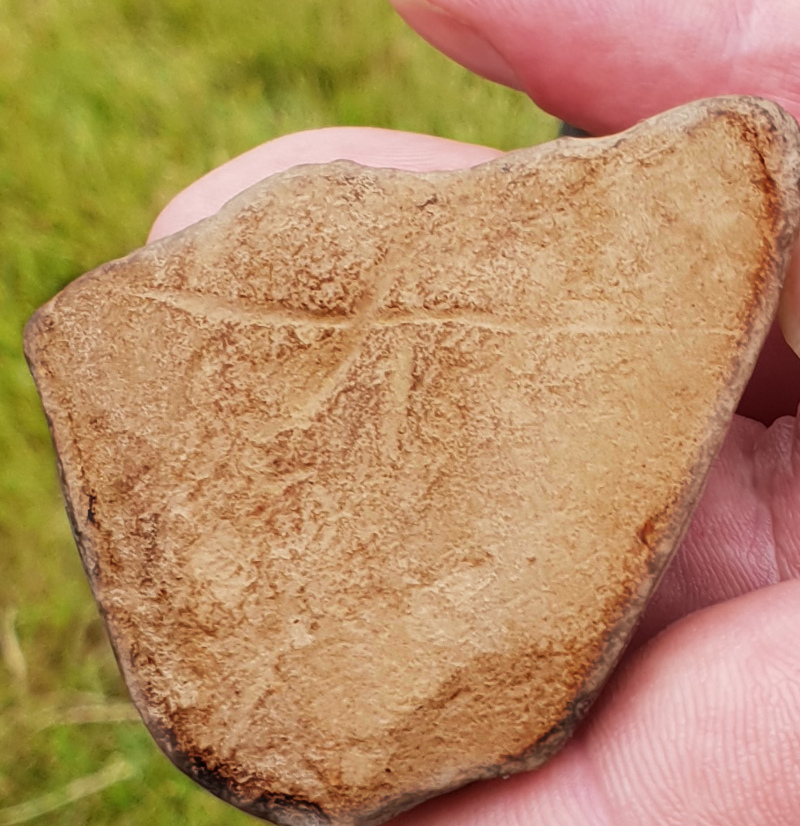
The second image came from Orkney when I visited back in 2018. It is of a rune-inscribed stone which was unearthed from within a wall cavity at the Ness of Brodgar archaeological dig while watched. The staff at the site were confident that we were the first people to handle it in 5000 years. It was suggested (by people far more knowledgeable than me) that it was a rune of protection that had been incorporated in the walls of the building, which was huge by neolithic standards, to ward off evil. I mean, who couldn’t run with that idea, right?

Fast forward to Mull 2021 and the crashing waves reminded me of the idea whose seed was planted on Orkney. I may try to take the idea somewhere at some point, but in the mean time, here’s a start — see if you fancy taking it anywhere.


Waves crashed against the rocks, smashing into them like the vanguard of an attacking storm. I frowned up at the wisps of cloud that tumbled lazily through the bright September sky that lied a promise of fair weather.

Though the sun was warm on my scalp the sea darkened and a sudden wind slapped chill North Sea spray into my face. The waves rose and crashed against the rocks. Further down the coast I could see calm waves gently massaging the beach. You know that feeling like you’ve gathered your own personal storm? Seems to happen more in Scotland than elsewhere. Usually I can shrug it off. It is nonsense after all. Just egocentric paranoia left over from an evolutionary past that prioritised threats over coincidences. This time the feeling built to a crescendo of certainty until I wanted to scream.

In my hand the stone I’d unearthed warmed unexpectedly in the cooling air. Without having changed the rune inscribed on it. Not exactly glowing, but definitely clearer somehow. Like a still point amid chaos. In 30 years of digging through the remains of our ancestors’ lives I had never before felt that I should have left my find undisturbed. Mine was the first hand to touch it in over five millennia. In that moment I knew it would have been better if I hadn’t.

The sea boiled angrily. Something was coming to the surface.

Deeper shadows darkened the waters and a seething mist replaced the storm spray. Something glowing red broke the surface. A hoof clacked against rock.

The mists parted to reveal a horror. Black fur glistened wet along the flanks of the beast, huge like a Clydesdale draft horse. Water streamed from the spiked fins that lined the back of the creature’s legs. From its chest rose a human-like torso raw red muscles rippling along its flesh with the promise of destruction. Glowing red eyes burned within its demonic, predatory face.

When the monster turned to face me my legs went weak. I nearly fell. I wanted to run but movement was impossible. A name, dredged from a long forgotten memory of folklore classes, came to mind. Nuckelavee. A demon of the ancient world.

The rune on my stone blazed a steadying blue against the monster’s furious crimson. It scowled, creasing its eyes to slits, though the evil light did not dim, just tightened in a laser focus. The beast snarled and charged, leaping the narrow finger of sea water that separated us.

He reached for me with claw-tipped hands and I screamed.

Nuckelavee slammed to a halt, barely a metre ahead of me. Claws scrabbled against an invisible barrier as heat pulsed off the stone in my hand. The monster reared up and slammed its dinner-plate sized front hooves against the barrier. Heat scalded my hand, but I didn’t drop the stone. I don’t think I could have unclenched my fingers even if I’d wanted to.

I stepped forward and Nuckelavee was forced back, his hooves scraping against the dried rock like nails on a blackboard. Another step and his hind quarters were forced into the waves. A third step and the monster vanished below the waves. I had no doubt he would return.
Here be Dragons?

A few years ago, while camping on Arran, I dragged the kids out on a walk that was supposed to be a 15 minute wander around the immediate area of the camp site. Instead it turned out to be a 6 hour epic for which we had:

  • Insufficient water
  • Insufficient food
  • No raincoats
  • Insufficient sunblock (yes we needed both!)
  • No map (unless you count the tourist route guide I photographed from the side of a bin.)

We scrambled across boulder strewn scree slopes, navigated pathless hillsides, trekked through chin-high ferns, and drank from a mountain stream. The ‘high’ point was when we identified the pass back to the campsite by comparing the hill shape to photos taken from our tent on the other side. It was… an adventure.

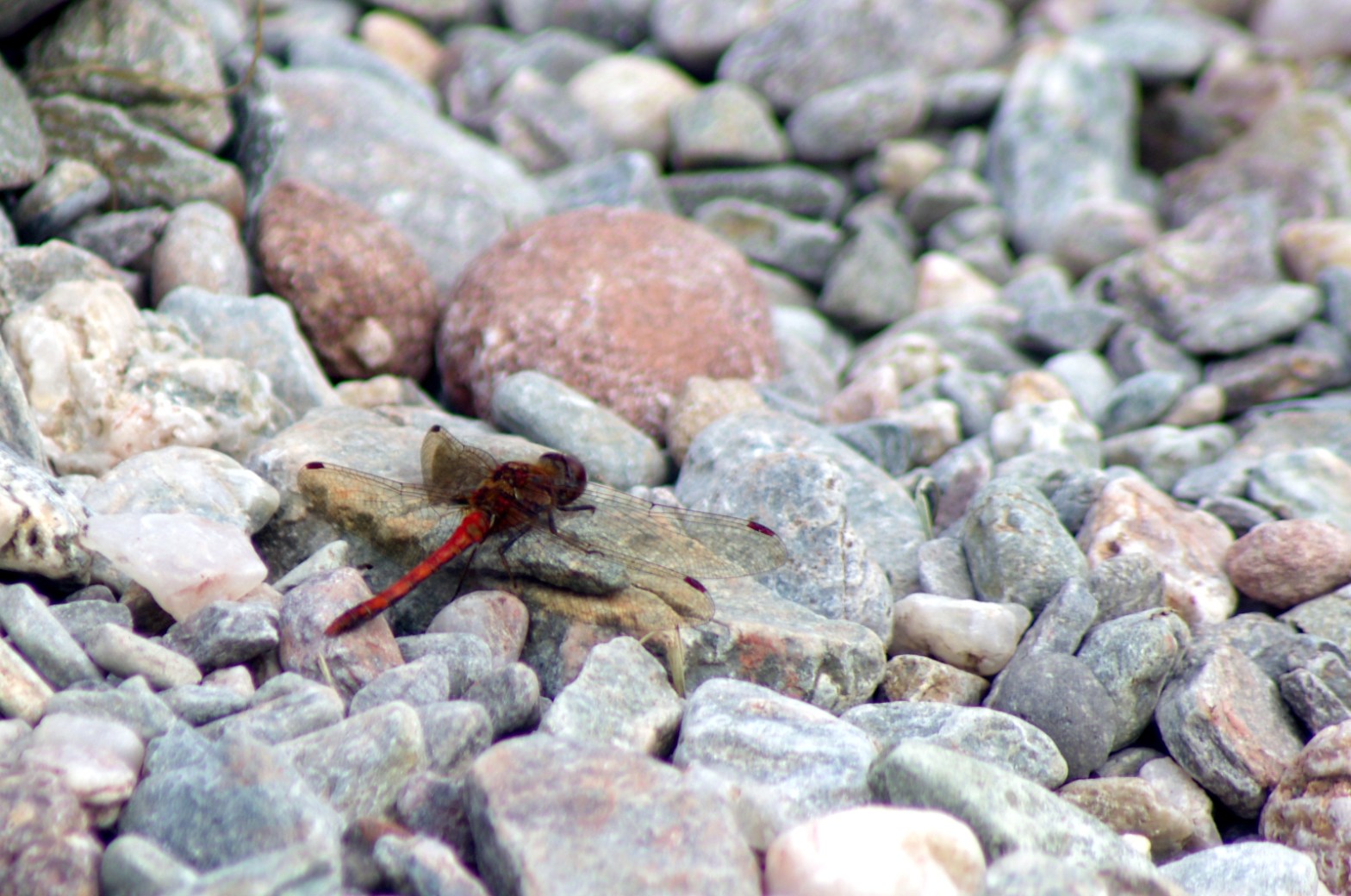
Anyway, we went back this year and tried the walk again. We were better equipped this time and the kids were a much more suitable age. It was a much more pleasant experience, but somehow the lesser for it. On the other hand we did see some beautiful (and enormous) dragonflies.


Clouds scudded in front of the sun, draining the heat from the day. The wizard sighed and put down her sketchpad. She turned to where her cloak hung on a branch of the fallen tree that was her seat and beckoned. The cloak rose into the air, shook itself like a newly awakened dog, and wafted over to settle around her shoulders.

The swarm of dragonflies that had been the object of her attention ignored this as something completely normal and unthreatening. They continued in their hover-dash browsing of flowers mixed with occasional rest-stops on the pebbled ground. The scene had barely changed since before the time of dinosaurs. Even the ferny backdrop was passingly similar to what the wizard had seen when she tuned her scrying glass to a few hundred million years ago.

Of course, the dragonflies had been larger then. Not so big you could ride them, of course. That kind of nonsense was exclusive to movies. But still much larger than the hand sized beasts that flitted their fairyesque ballet before her.

The wizard frowned down at her drawing. She was getting better, at least. The proportions were right and her lines were becoming more confident. Still, it was frustrating that the end product was a pale imitation of the vision in her mind. Perhaps part of the problem was her unreasonable expectations. It may be that there was no good way to capture the iridescent sparkle of their bodies. Now that the sun was hidden the dragonflies shimmered less. Matched her sketch more closely.

It would be easy to use magic to ‘fix’ the problem. Her lifetime of learning the mystic arts could of course render any degree of realism onto paper. The same learning had taught her that shortcuts rarely led to satisfaction. At least long-term satisfaction. Cheating at learning a new skill was an exercise in pointlessness.

Of course, she wasn’t above using magic for comfort and convenience. Being a wizard had its perks. Expanded transport options was definitely one of them. She focussed her attention on a gorgeous red dragonfly that had landed a short way in front of her. That one would do nicely.

The wizard reached out with her mind into the weave of magic that makes up the world. There was the dragonfly an ember of consciousness. She grasped its core and unleashed the potential within. The red patches at its wingtips expanded and the lacy insect wings turned leathery as they grew. Smooth red insect hide broke into millions of scales that stretched into thick plates of armour. It became cat-sized. Now large dog. Now a small cow.

What had been a dragonfly bent its long neck to inspect the unexpected new form. It took in the shimmering scales, the fiercely long claws at the ends of only four legs. A look of pure joy washed across its now more expressive face. The creature spread its great wings and leaped. The dragon flew.

The dragon turned a full loop in the sky, then returned to land next to the wizard.

“Where can I take you, mistress?” asked the dragon.

“Wherever you would like to go,” answered the wizard.

“Everywhere!” said the dragon.

The wizard smiled and climbed onto the dragon’s back. They flew.

Pack

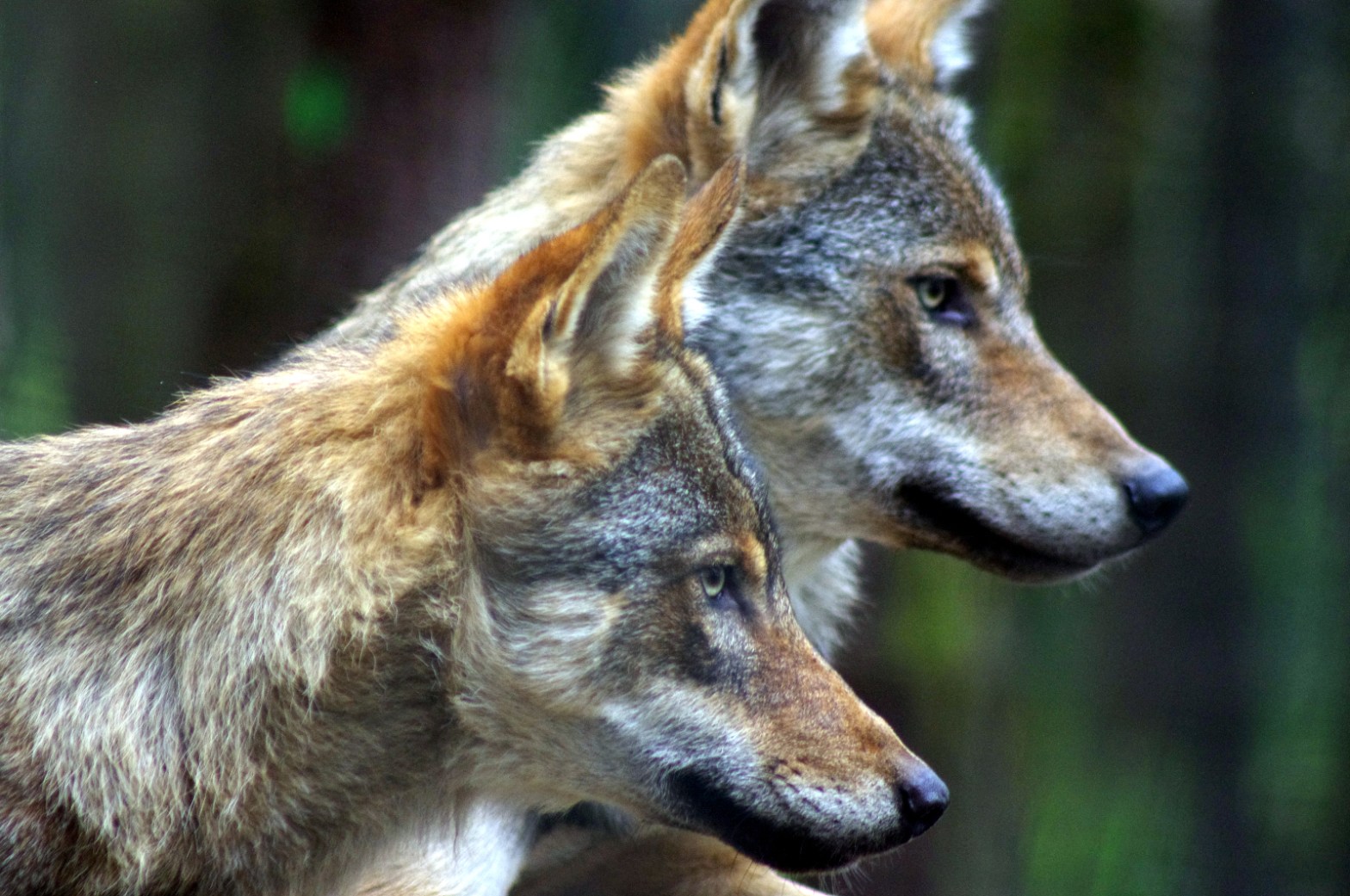
This week’s image is from ages ago at the rather wonderful Highland Wildlife Park. Through good timing, or plain dumb luck in abundance, the wolf pack was highly active while we were there. Spending even a short while with them delivered a lifetime worth of great photo material and a breath taking experience. A shame the photographer in question was me rather than someone with actual skill.


Onchu studied the swathe of empty forest before him without disturbing its stillness. The air brought him news in scents and sounds too faint for a lesser hunter to sense. Onchu was no lesser hunter.

The pack was drawing nearer. Their quarry, chased for many hours, was tiring. He could feel it in the rumbling of the ground. Soon the time would come for him to end the hunt. Muscles relaxed into readiness. Younger wolves might fancy that tension built power. Those pups understood nothing. Such power hindered decisive movement, and Onchu was decisiveness incarnate.

Niamh, his mate and equal in all things, ghosted noiselessly to his side. Careful hours of planning were coming to fruition now. ‘Shining One’ indeed, she truly was the glory of his pack. This scheme was hers entirely. Onchu was not so vain an alpha that he could not admit that. After all, the triumph of the wolf was the magnificence of the pack. To think otherwise was not Pack. As she was their sharp mind, and the others the relentless paws, so he was their unyielding teeth.

It was long known that deer must be chased over vast distances, until they tire enough to be taken. Clever Niamh had watched as the two-legs guided their herds to where was useful. Now their pack drove prey toward home. Meat was available for their cubs in greater abundance beyond imagining. Their pack was strong.

Beside him Niamh made no sound. The time for communication was past. The air and the earth told them all they needed to know. It was time.

Onchu flowed from his waiting-place on soundless paws. He and Niamh sped toward the oncoming herd like spirits of death, silent and implacable.

The Tower

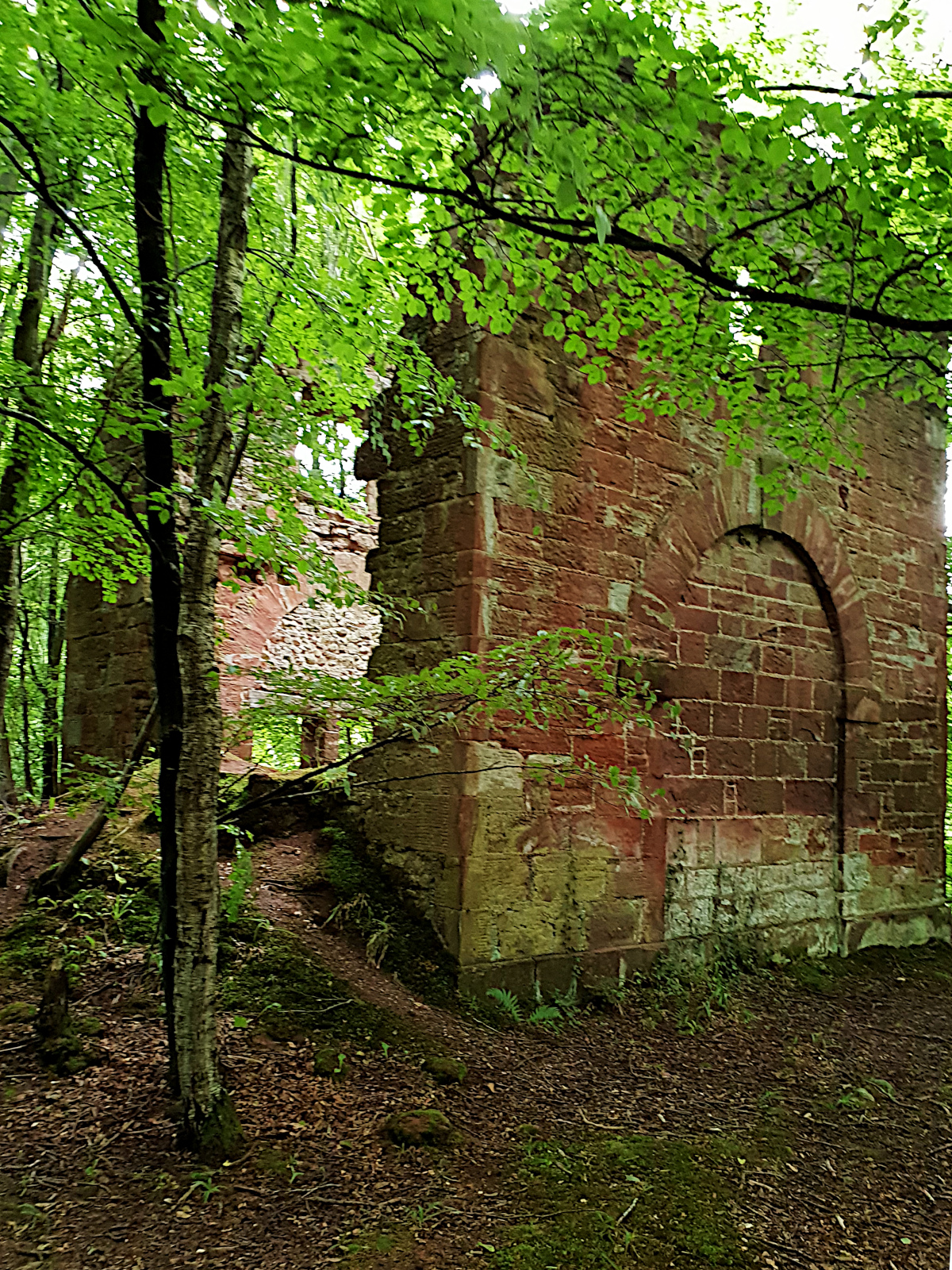
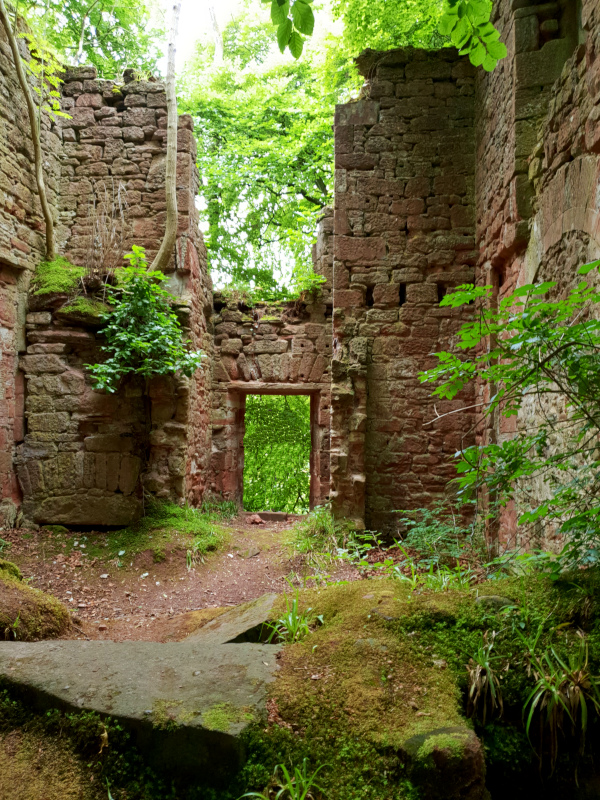
I’m a sucker for ruined buildings. Particularly old ruins. Especially old ruins in the woods. I stumbled upon this one a couple of years ago while camping in Glen Esk. It isn’t the tower that inspired Summer Sorcery, which is much closer to home. I have no idea of the history of this particular tower. For all I know, it could just be a folly — built deliberately to look like ruins of something older. Whatever the truth, it definitely seems like a place with a story to tell.

binary comment
binary comment

Calum propped his spear, and then his elbows against the parapet wall. Of all the rubbish assignments he’d been given this was probably the stupidest. What was the point of a three-storey watchtower in the woods? The battlements didn’t even rise above the trees. Now, as the nights grew longer and darker it was impossible to see anything more than a stone’s-throw from the walls.

Even his instructions had been stupid. A three-month residential duty here, watching only through the night. “For what?” he’d wondered aloud.

“For anything outwith normality,” his commander had replied. As if that explained anything.

Well, if he wanted better assignments he should probably hold his tongue. In fifteen years of military service he hadn’t yet met a commander who liked to be told they were being stupid. Even if it was true. Actually, especially then.

The wind picked up, snapping Calum’s cloak around his ankles far more sharply than the tattered, mud stained garment had any right to manage. He shivered and huddled into the thin fabric. Not that it helped much. His breath fogged in the air as the chill deepened. Not right for this time of year. Not right at all.

A sound reached his ears through the uncanny stillness of the woods. He strained to hear, then wished he hadn’t. Chanting. He couldn’t make out the words. Like water off a wax-cloth the sounds just wouldn’t stick.

Firelight flared in the dark of the forest, a long bowshot away to the west.

Calum’s hand trembled as he reached for his spear. He told himself it was just the cold. Why he would lie to himself was anyone’s guess.

The flickering firelight and the eerie voices drew closer. In a few minutes they would be upon him. In some ways that was a relief. He didn’t have to go out and investigate. A small mercy, but he’d take what he could get.

If you’d asked Calum that morning, he’d have told you he didn’t believe in witches and magic. Perhaps he’d been too quick to judge. Thinking back, there were any number of things that he might have assessed overly harshly. His commander’s wisdom, for example. If he’d shut his mouth and gone along with it, he wouldn’t be here now. Wouldn’t have to reconsider everything else. If only.

Laughter wove itself through the chanting. To Calum’s ear it didn’t sound like friendly laughter. His fingers tightened on his spear shaft and he drew himself straighter. Ready to meet whatever fate brought his way.

Cauldron’s Web

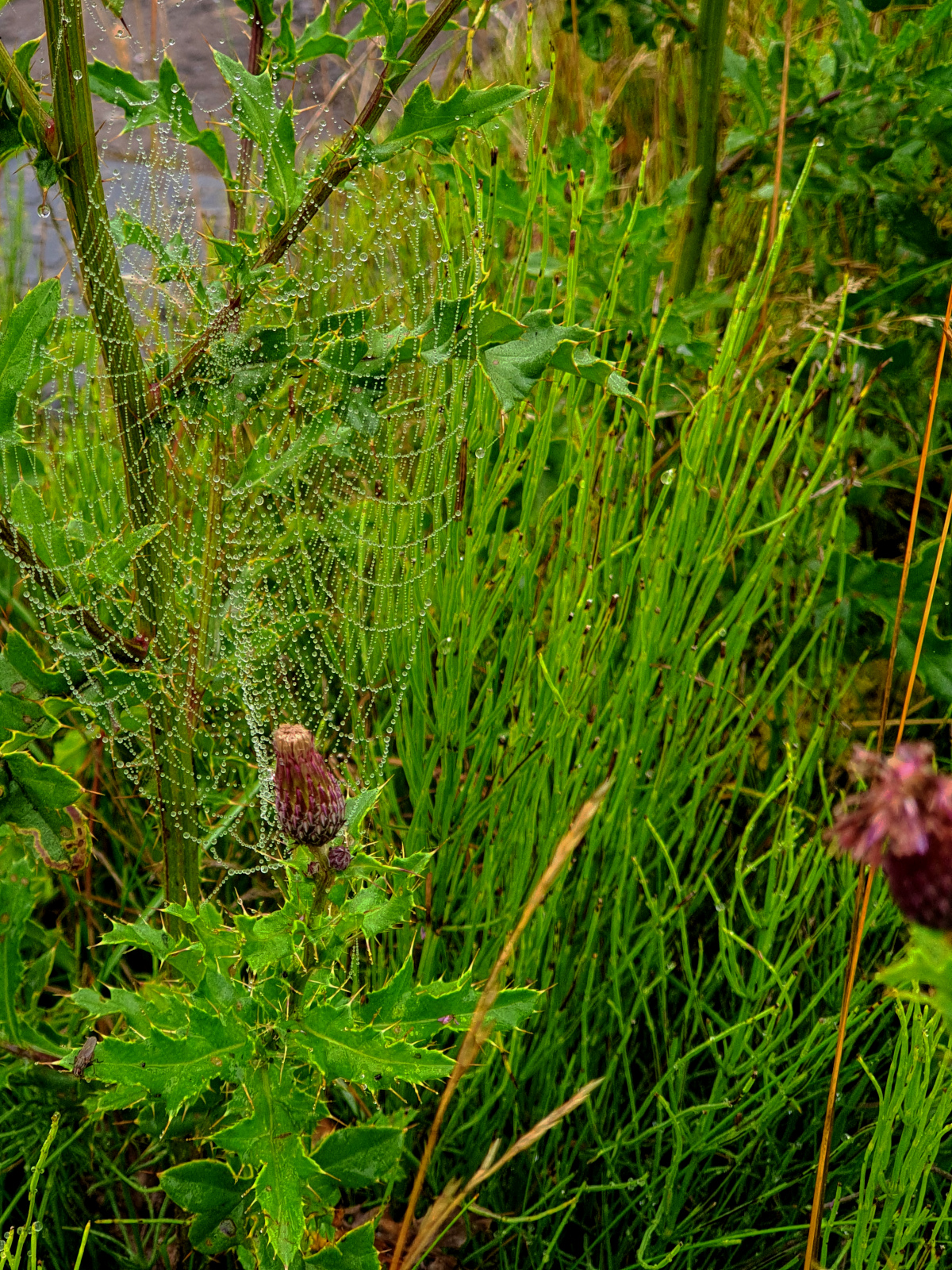
I woke up today to a garden full of dew-glistening webs, which for me is a good start to any day. I keep trying (pathetically, really) to get a decent photo of one. Whatever skills or talents required to succeed at that still elude me, but I do enjoy trying.

Spiders have fascinated me for a long time. Long before being hooked on Adrian Tchaikovsky’s superb Children of Time. Even before writing Cauldron the spider into Summer Sorcery as a potions master. Back in the dim and distant past, I flirted with the idea of a post-grad degree studying jumping spiders. Thankfully I came to my senses in time, so I’m still fascinated by them.

Anyway, I grabbed some photos this morning with the intention of a story-prompt. Annoyingly inspiration kept coming out in a decidedly Tchaikovsky/Portia kind of way. Not helpful. Instead I’ll take a wee dip into Cauldron’s backstory. So a story-prompt/legendarium all-in-one kind of think it is then…


The spider leaped for the cover of the purple bud as the huge shadow passed its web. It could feel the plant’s stem tremble at the approach of massive footsteps. The shadow darkened and air currents from the creature’s breath rattled the leaved. The spider tucked its legs in as tightly as it could, trying desperately to avoid detection. In hindsight, a mistake. Or, with the benefit of further hindsight, perhaps not.

A gigantic, fleshy paw crashed through the leaf clutter and plucked the bud off the plant. The spider cowered as its hiding place was lifted high into the air and deposited into blessed darkness.

There was little light to see by, which was an inconvenience, but the little spider stretched out with its other senses to explore its environment. Densely woven material bounded the miniature world on all sides. Within was an assortment of plant parts. A strange prison for a spider to find itself in. And a mobile one. Moments later the prison, presumably carried by the giant, lurched away at an alarming pace. Spiders surely were never meant to travel so fast.

Periodically, the top of the mini-world would be pulled open by the giant’s fleshy paws. More plant matter would rain down, then the sky would close again and the lurching movement would continue.

Eventually the giant stopped moving. However, any relief the spider might have felt in its tiny mind was driven away by a great heat. The worst kind. A damp heat. The heat grew with alarming speed as the prison moved again, briefly.

The sky opened once more and the mini-world turned upside down. Varied plant matter, and one small spider fell. Below, the spider saw what seemed a lake of boiling water. Terror filled its mind then. It leaped back up the cascade of falling plants. The unsettling safety of the prison, still held in the giant’s paw, moved abruptly away. In a last desperate attempt at survival, the spider threw a line of web at the lake’s edge.

It fell.

The splash as it his the water would be tiny to our ears, but it filled the spider’s whole world. It struggled against the searing pain and the cloying liquid filling its book-lungs. The random flailing of what should have been its death-throes snagged its taut web-line. On pure instinct the spider pulled. Its other feet landed on a piece of floating vegetable. It climbed up and leaped.

The ‘lake’ was bounded by a vertical, black cliff of some extremely hard material. The spider clung on for a life that it suddenly felt was dear. As it… no… as he clung there, he could feel changes coming over him. His mind enlarged, first to encompass an idea of self, then a torrent of new ideas. His brain grew to hold these new concepts and as it did his exoskeleton expanded (without moulting!) to fit his new form. He adjusted his footing to avoid falling back into the lake — no that wasn’t right. He new now that it was a cooking pot, not a lake at all.

A shadow fell on him. This time he didn’t feel fear, just curiosity. The giant brought its face near and the spider suddenly knew words for this creature: human, male, druid. Curiosity surged in the spider’s mind. Not just at the words, nor at the concepts behind them but at the very concept of words and concepts.

The druid moved its mouth and produced sounds. Spider’s can’t hear. Not really. But they are hugely sensitive to vibrations. The spider’s widening mind took those vibrations and re-interpreted them as sounds. Not just sounds but speech.

“Hello, little one,” said the Druid. “And who might you be?” He held out a finger and the spider jumped onto it.

“I…” the spider paused. He had no idea how he was speaking back to the druid, but he was. “I don’t know. This is all a bit new to me.”

The druid raised his eyebrows. “Interesting. My potion seems to have had some effect on you.”

“I would say so,” said the spider, still wondering how.

“Well,” said the druid, “you need a name.” His brow furrowed for a moment, then he said, “May I call you ‘Cauldron’?”

“Cauldron,” said Cauldron. “Yes, I like that. Yes, please. Call me Cauldron.”

“Well then Cauldron,” the druid laughed, “come with me. There is much for you to learn.”

Who lies in wait

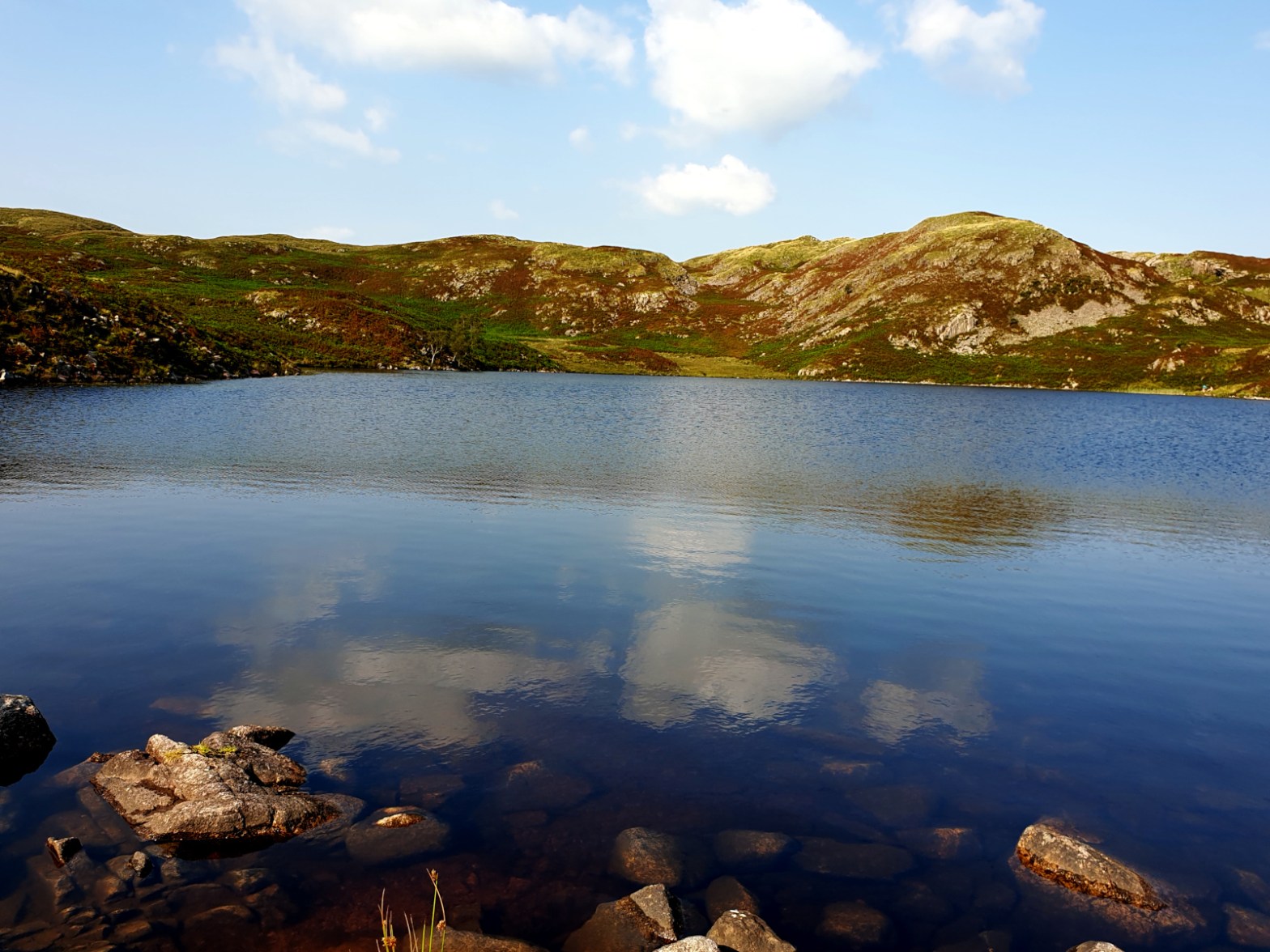
Sticking with the Lake District with this one. A serene hilltop tarn that is perfect for a spot of wild-swimming. Hopefully my imagination won’t put an end to that…


I sank into the welcoming mud that lined the bed of my tarn. In my youth, I’d thought it a lake. Since then, to my embarrassment, I’ve cult to understand that lakes are much grander affairs. Perhaps I will have to move on one day. Mother told me that was natural for our kind.

“It’s not healthy to bide too long in a single pool,” she’s say.

Well, it’s been decades since mother moved on. Centuries, perhaps. All the while I have remained.

You might think fear has kept me in place, but that’s not it. Not at all.

At first, you might say it was contentment that held me here. Travellers would stop by my tarn to drink. Few would stay long, and rarely would any fool pause to paddle trail-weary feet in my water. Rumour had it that a monster dwells here. And so they stopped briefly and their delicious fear drifted down to provide all the nutrition I could need.

That was before. Then for long years no one came but local wildlife. Their natural skittishness was enough to sustain me. Only just. I no longer had the energy to move to more productive waters. Hard years, and I regretted not heeding Mother’s advice.

But then something changed. The travellers returned, though different this time. Gone were the weary wary folk who spent the barest moments on my shore. These new visitors were bold, relaxed and… Joyful.

At first I was furious. These fools dared to play in my waters. Did they not know the legends? If have to remind them of the Monster Who Lies in Wait. As I swam closer I could sense their emotions, filling the tarn like a cloud of cheer. I tasted some, and it was delicious. Far better than the fear that had thus far sustained me. I drank it down greedily and was hungry for more.

Since then, many have visited. I do my best to keep the tarn nice. I’ve cleaned up after the wildlife, arranged rocky slipways for bathers to enter my water. What’s good for my guests is good for me also.

I don’t know what happened to the legends of a monster of the tarn. But I’m glad it went away. We don’t want monsters here.

Master of the Ways

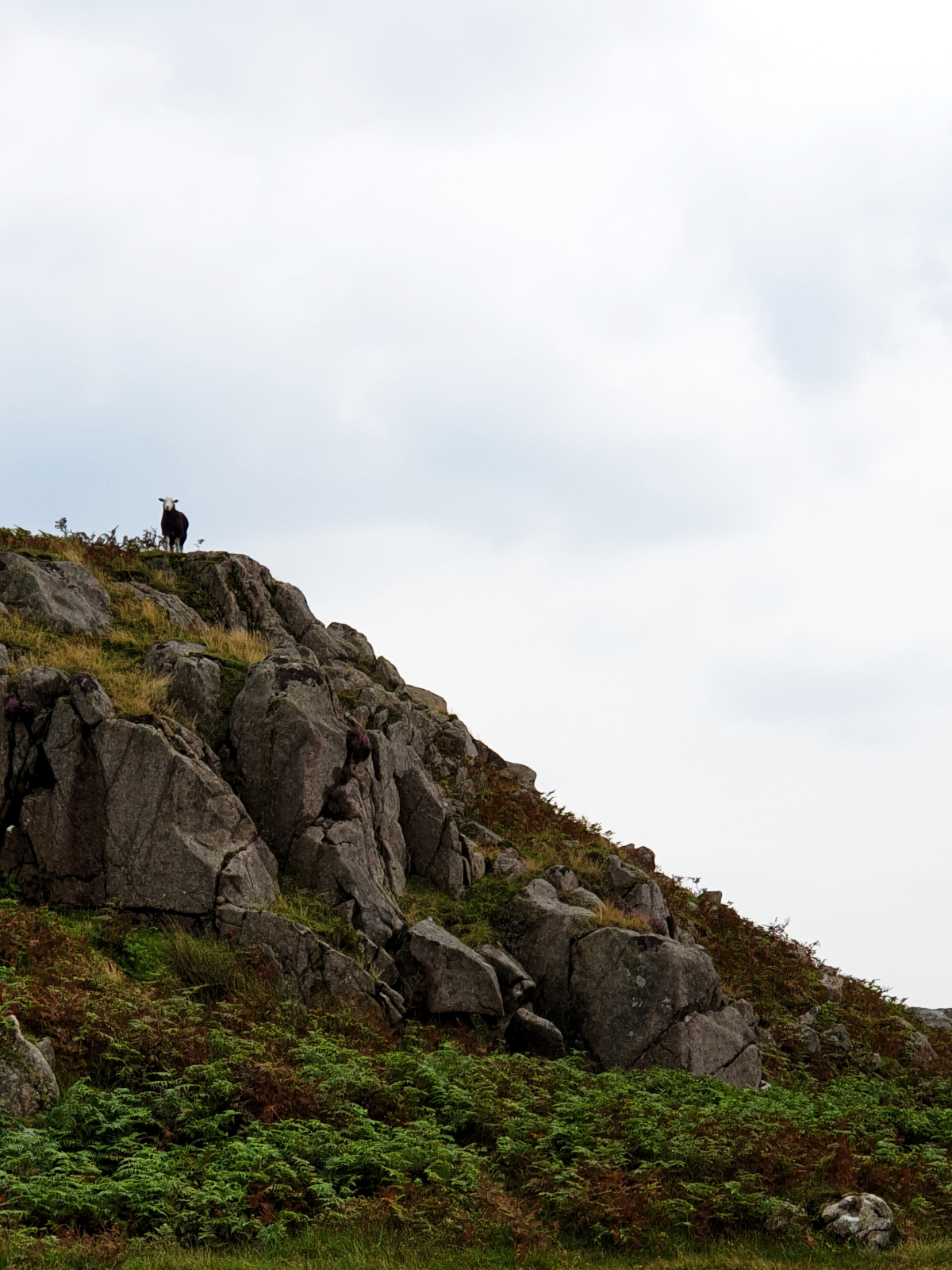
This one was from a while back. We were camping in the Lake District, which involved a healthy dose of rambling around among hills and valleys. Being the brilliant navigator I am, we got lost plenty of times. On every occasion when we found our way again it was hot on the heels of a sheep. I promise it was coincidence, but it was not long before we joked that the free-roaming sheep were some kind of guide. But what if they were more…


Chossach looked down from the rocky outcrop and sighed her relief. The wanderers were safely back on their path again. Disaster had been averted once more.

She’d taken this assignment thinking it would be easy. After all, this was a nothing hill-top in a nowhere valley. A couple of valleys to the north her colleagues had a tougher time on the slopes of Scafell Pike. There, lunatic tourists waited for the sunniest days before attempting the climb in sandals with a single juice carton between them. Chossach’s little patch was supposed to be quiet. Ha! Fat chance of that. Not yet midday and already she had turned five groups onto their right paths.

Okay, that was perhaps overstating her task. For all Chossach knew, the paths she’d set them on might not lead where they wanted to go. The important thing was they led away from where she needed them not to go.

She scrambled down the rocky escarpment, sure-footed and agile, coming to rest beside the mountain stream for a well earned drink. Despite the overcast sky the day was hot. Especially with her thick black fleece.

Chossach hated her sheep-form. However, It was a necessary ruse. Her people had discovered long ago that standing on a hill as a human druid to direct walkers away from danger simply raised their curiosity. Instead of maintaining the no-go areas, they turned them into a tourist attraction. Acting as sheep seemed to work better. Beaten tracks were easier walking than forging through shoulder-high bracken. So her people became sheep to lead the unwary aside. To save the world from those beings that should remain locked away.

Looking about, she saw she was alone and decided to risk the change. The air shimmered. Chossach stood, a young woman in light green robes. A cool breeze wrapped around her bare arms and rippled her long brown hair. She dangled her feet in the water and delighted in the respite from the heat. It was short lived.

Voices drifted over the hillside. Chossach rolled her eyes and the air shimmered once again. She dipped her muzzle in the stream and drew another cooling drink. Then she trotted up the hill to turn another group away from disaster.

Selkies

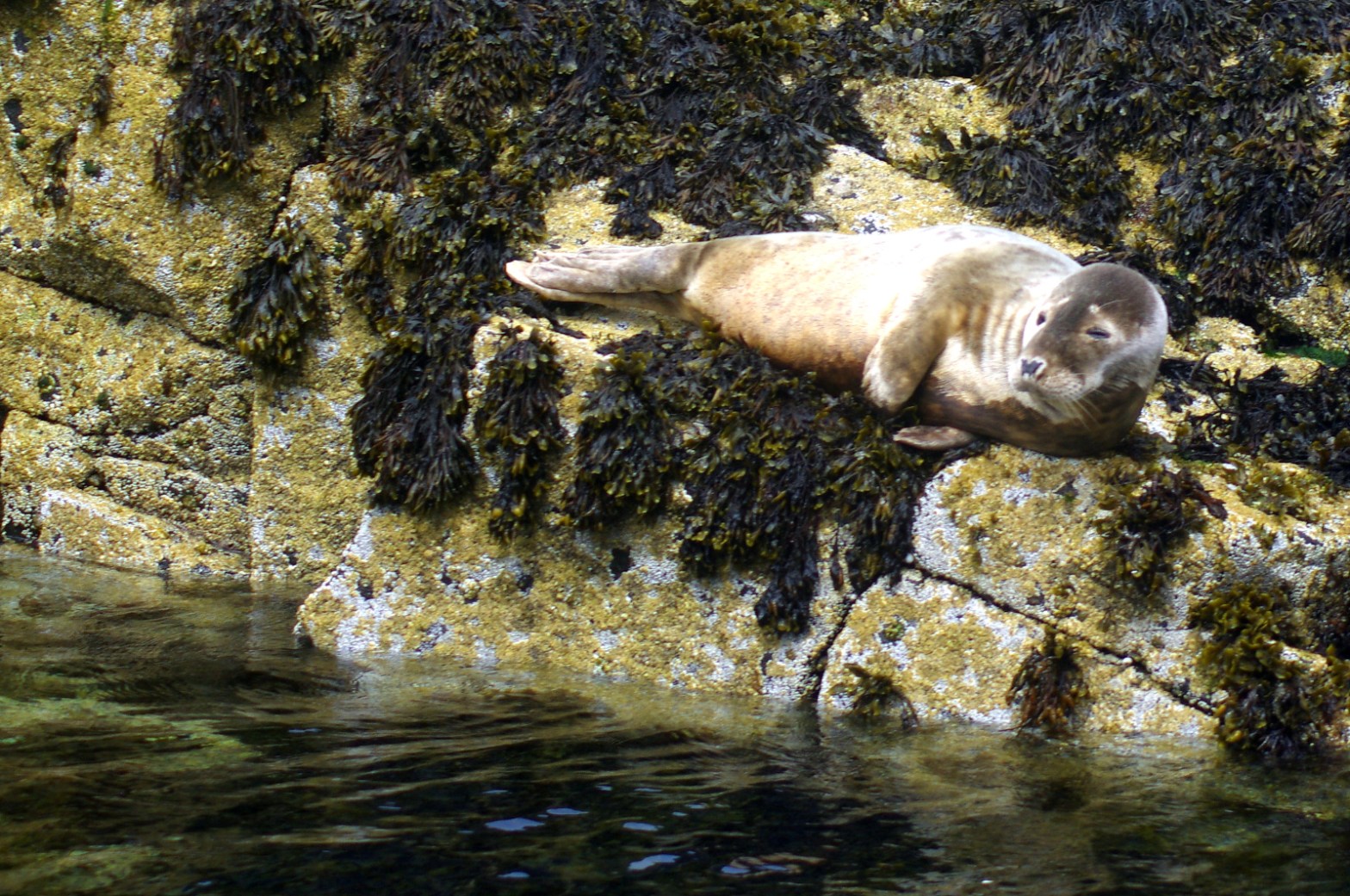
I’ll admit to these magnificent sea-dwellers being something of a blind spot for me. While I grew up with tales like ‘The Kingdom of the Seals’ (from the worn out tape of my much loved issue 24 of Storyteller magazine), my interest in selkies didn’t properly take root until a few years ago. My children are voracious consumers of stories and it has always been my pleasure to read to them. (I suspect I’ll have to stop one day, but I try not to think about it.) A while back, my daughter and I shared the Magnus Finn adventures, A trio of exciting (and a bit scary) adventures about a half-selkie boy. Well worth a read, but not for the faint-hearted.

Since then I’ve been on the lookout for stories about those most Scottish of mythological beings, and I haven’t been let down. Tales abound, riffing on a few central themes, but creating a vibrant mythology about the Seal Folk.

So what is a selkie?

Well, first of all, a selkie is not a mermaid. We have those too. Indeed, there are tales of cooperation between the two. We’ll get to that in a bit.

Simply put, a selkie is a seal that can cast off their skin to take on a human form. So a shape-shifter of sorts, but in a specifically limited way. The important detail is that the seal-skin is the key to this transformation. Without it, the human-shaped selkie is unable to return to the sea.

Naturally, it is this that creates the central conflict in many of the stories. And it’s here that folktales again shine their light on the darker side of humanity. Perhaps the main theme in selkie tales is that of the Seal Maidens — beautiful young women discovered, dancing on a beach by night or some such, a young man steals a seal-skin and claims the owner as his wife. Without it the poor selkie lass is unable to return to her beloved sea. Eventually, she recovers her skin and makes her escape, usually not before having many children with her captors. Frequently it is those children who, unwittingly, find the seal-skin for their mother.

Yup. Another tale of men subjugating women and calling it love. In fairness, the stories usually don’t end happily for the men. However, in my view, they get off far too lightly. Still, the take-home message is solidly ‘don’t be that guy.’ I suppose we have to start somewhere.

Selkie-men have a slightly different place in the lore. They too have relationships with humans, albeit more willingly. In ‘The Great Selkie of Sule Skerry’, a man has a baby with a young woman. The useless cad scarpers, leaving her with no husband and a son with webbed hands and feet. Move on a few years and selkie-git pitches up at the beach in his seal form. He shows the boy how to transform into a seal, gives him a gold chain so his mum can recognise her son, and takes the lad out to sea leaving the poor woman understandably bereft. Eventually, she finds a husband. An altogether more decent chap. They have a good life for a while, until one day he comes home with the strangest tale… He was out hunting and saw a pair of seals a large male and his pup. The pup was wearing a gold chain. Being the mighty manly chap that he was, he promptly shot them. Sometimes I’m a bit ashamed to be a man.

Selkies and mermaids

On that joyful note, let’s take a look at selkie dealings with their (more widespread) sea-friends the mermaids.

One day a Shetland fisherman caught and skinned a seal who turned out to be a selkie (seriously guys, lets to better!) Ashamed by his actions he threw the body back into the sea. Cold and broken the selkie made his way to a nearby mermaid’s cave. She knew the only cure was to get his skin back so the mermaid raced to the fishing boat and grabbed the nets. When the fisherman drew her in he was horrified that he’d caught a mermaid. He wanted to release her with the skin, but his mates insisted taking her to shore and selling her. (Seriously? Guys, come on.) The mermaid, who can’t stand living in air for long, dies as she knew she would. In Orkney and Shetland tradition, the death of a mermaid summons a huge storm. The fishing boat sank with all hands and as the mermaid hoped, the selkie-skin drifted down to her cave where her friend regained it and was healed.

Apparently, it is also a traditional belief that a selkie’s blood, if shed in the sea, will summon a great storm. Presumably the fisherman did a very clean job of skinning the seal.

Softer Traditions

Being as far south as the Firth of Forth, this was probably not a selkie, unfortunately.

Just to complicate things, we have slightly different traditions on the mainland. Here the Seal Folk are also called the Roane. Whereas the Selkies wreak revenge on seal-catchers with wild storms to sink ships, the Roane take a softer approach as characterised in the Kingdom of the Seals.


A hunter from John O’Groats came upon a large seal. He crept up, drew his knife and stabbed the creature in its neck. His strike was not good and the seal twisted into the water, wrenching the knife from the hunter’s hand.

That night, a stranger came to the hunter’s cottage conveying a large order for seal skins. The hunter was to go with the messenger to his master to finalise the deal which was for a great deal of money, so the hunter followed the stranger out into the night.

Before long they reached an abandoned cliff over the sea and the hunter, not being the sharpest knife in the drawer, began to get suspicious.

“Where is your master?” he asked.

“Down here,” said the stranger. He grabbed the hunter and leaped from the cliff.

As the cold water rose around them, the stranger’s body turned into a seal. The hunter was shocked to see that he too had transformed. The stranger led him down into the depths where they came upon a city of Seal Folk. The stranger led the hunter to a dwelling which contained the seal, injured by the hunter.

The stranger raised an object, the hunter’s lost knife, and said, “do you recognise this?”

The hunter was struck dumb by fear and remorse and merely nodded.

“That is good,” said the stranger, “for now you can undo the ill you have done. Place your hands on the wound.”

The hunter did as he was told and to his amazement the wound was healed.

“I will return you to your family,” said the stranger, “but only if you promise to never again harm a seal.”

The hunter of course promised and was led first to the cliff, then back to his house. The stranger gave him a large sack of money — more than the hunter would earn in a year of killing seals.

For his part, the hunter was as good as his word and better. Not only did he never again hunt seals, but instead did all he could to protect them.


An Ongoing Tradition

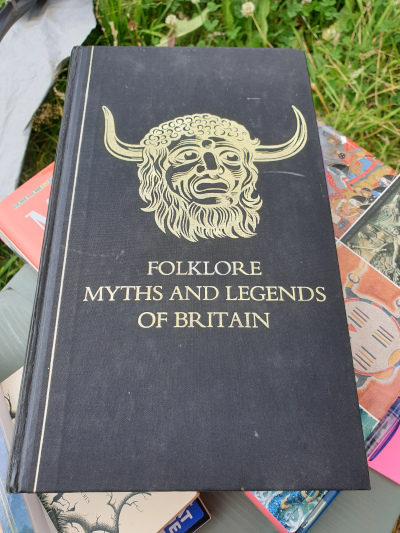
While researching this article I came across a couple of snippets about selkie belief leaking out into the (almost) modern world from the wonderful Folklore, Myths and Legends of Britain, published in 1973 by Reader’s Digest. It is a fabulously readable exploration of our traditions and tales and well worth it if you can get hold of a copy.

binary comment

One item that caught my eye: a wee side-note that Clan MacCodum of North Uist are known as ‘Sliochd nan Ron’ — the Offspring of Seals. It is claimed that a distant ancestor married a seal-maiden in the usual manner, and their children gave rise to the clan as it now is. The title is delightfully taken up in the Magnus Finn stories, which is always something I love to discover in modern books.

A related but more specific account is of a woman from 1895 named Baubi Urquhart. She claimed, apparently in all seriousness, that her great-great-grandfather married a seal, and that she was a direct descendant of that union.

Traditions from elsewhere

Annoyingly, this is where my research skills ran out. Unlike the brownies, who seem to have cousins all around the world, I haven’t found much more of a family tree for our dear Seal Folk. I suppose I shouldn’t be surprised. After all, households are more widespread than seals. That said, I’m sure I’ve missed plenty. Let me know in the comments if you come across anything, please.

The Wreck

I’m just back from a family holiday on Mull, one of the islands that makes up Scotland’s Inner Hebrides. Yes, it was wonderful, thank you for asking. Yet another place you really should visit, given the chance. (Unless your main passion in life is really wide roads, in which case there’s nothing there for you. Please leave it for the rest of us!)

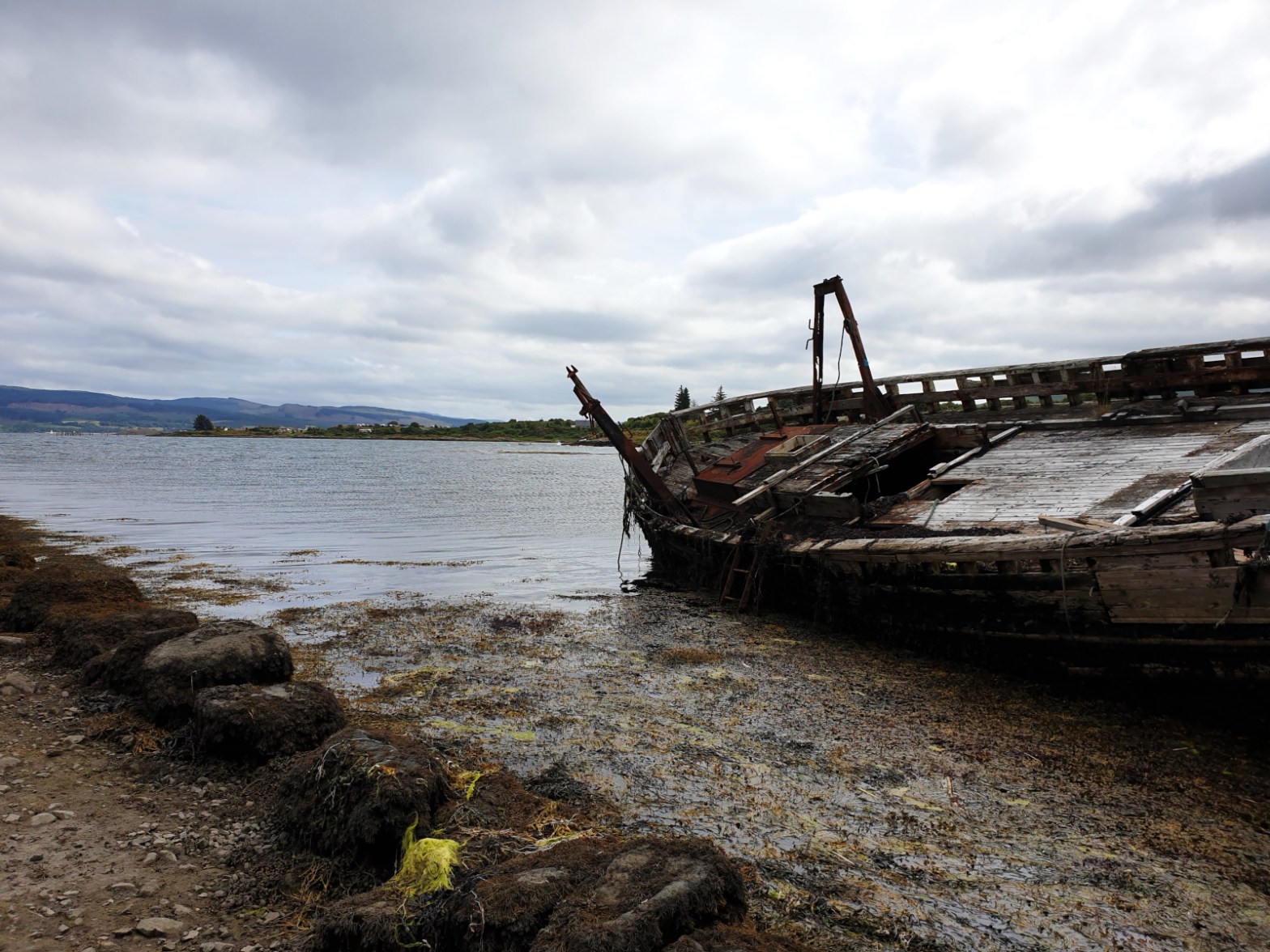
While there, we spotted a trio of broken ships hauled up onto the shore next to the road. Naturally, we had to investigate. On that note, what you’re about to read is completely made up. Obviously.


At high tide it remained my great pleasure to sit on the seaweed strewn rail and hang my toes in the water. A source of joy I expect I’ll cling to until the last plank crumbled under the water’s caress. Sea Shepherd is still my ship and I’m not ready to let go of her yet. That she no longer floats is of no consequence to me. You may look and see only a passive curator of flotsam. I don’t blame you for that, though I suspect you would not extend the same to me, were I to judge your elderly relatives in the same harsh light.

‘Ah,’ you claim, ‘but this is a ship, not a person.’

Landlubber. You would not think that way if you had stood on her bold decks as she topped the thundering waves. Anyone who sails knows a ship has a personality. In my book that makes her a person.

It’s low tide now. My feet can’t reach water from any part of the deck. That’s okay, though. I have nowhere else to be. I can wait.

Behind me the gravel crunches and my eyes clench, holding off the invasion of my space for a precious moment longer. It’s summer now which means low tide often brings my most hated plague: tourists. Most of them don’t realise their sin. To them it’s like a theme park attraction. They don’t realise the cost that has been paid. They see the rotting wood and swarm like maggots.

Right on queue. The stupid click-clack of digital camera noises. Even the photography is fake. I’d bet the photos won’t even be looked at.

Unseen near the prow, I kicked at a rock, recently exposed by the tide. It clacked against other pebbles. The photographer whipped around, surprise on his face. He hadn’t noticed me. Figures. I’m sure nothing outside his viewfinder is real to him.

I creep to the stern where there’s an exposed hatch. The rusted hinges creak delightfully as I flip it over.

The tourist is as white as a sheet. His camera drops from numb fingers to crunch in the sand. That’s when I jump out. A squeak escapes his clamped lips and he runs for his car. He trips, once, on some seaweed and scrambles on, half crawling for a few paces.

A smile spreads over my translucent lips as I hover over the water in the evening light. I lied earlier. My greatest pleasure is haunting tourists.

Heritage

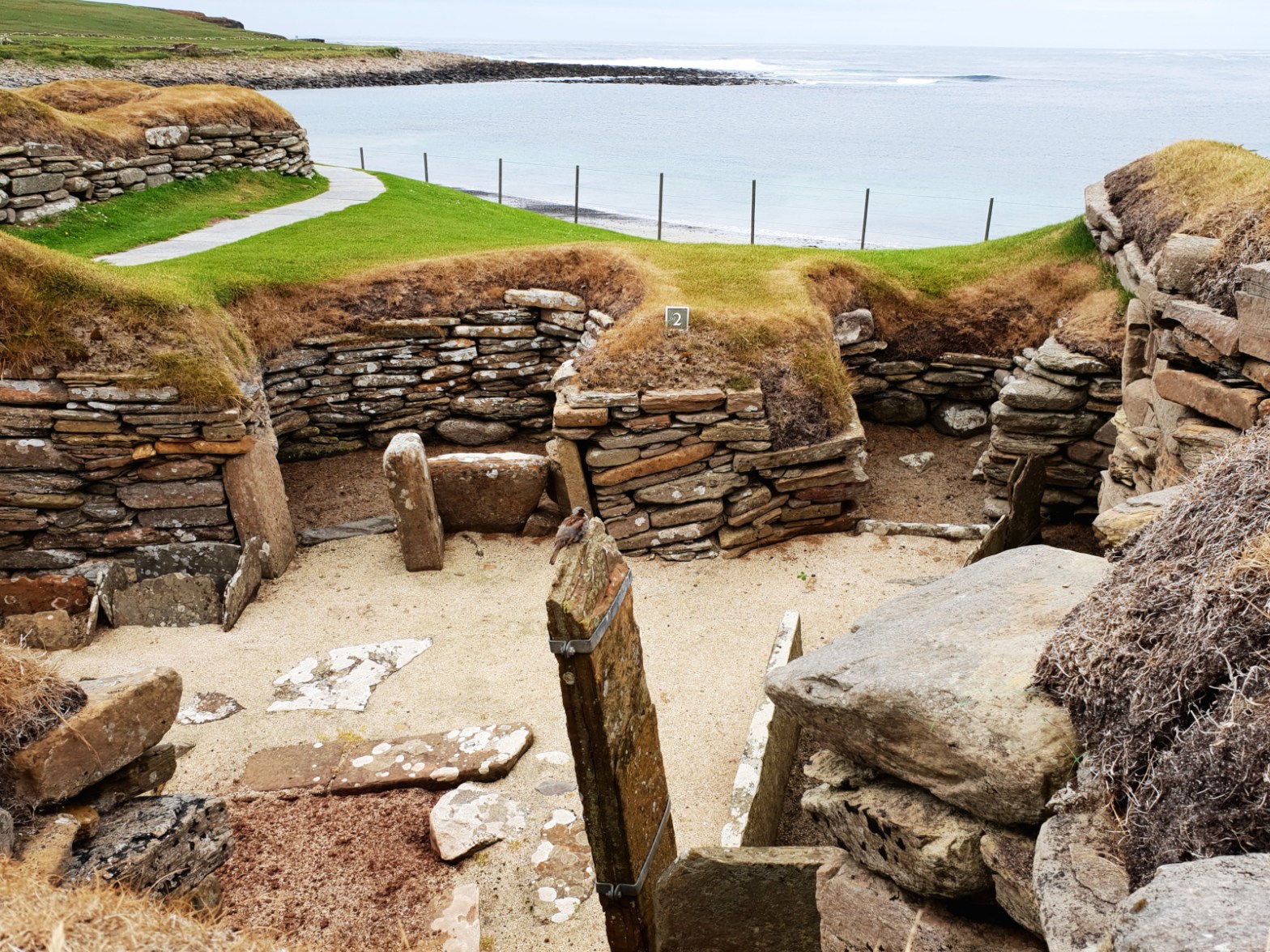
This one is from a family holiday to Orkney, ages ago. Okay, perhaps not really ages. Skara Brae is a must see if you find yourself on Orkney (or Earth for that matter.) The path leading you up to the site has a timeline running along side it, which truly puts into perspective what ancient truly means. The place makes the Romans seem like young upstarts and the Great Pyramids like new trendy architecture.

Our visit there was crowned by watching seals playing in the surf at the beach below the settlement.


I pressed my back against the stone wall and relaxed as the sun-warmed heat bled into my sea-chilled body. Behind me the water hissed gently as the tide climbed up the beach. I allowed myself a moment to bask in the glory of it all. But only a moment. This visit wasn’t for my enjoyment, although each trip was always a pleasure.

I understand that other people have favourite places in the world that are not this one. ~A strange concept and one I don’t think I can fully wrap my head around. Truly, I’m glad of it though, or evenings like this one would be few and far between.

I turned and wriggled a loose rock free from the wall beside me. Behind it were my treasures. I gently drew out the first book and lifted it to my face. I sat still, again granting myself another precious moment. Time not wasted but spent. The dry, dusty scent of the pages tickled my nose. An alien experience where I come from.

I held the book on my lap and slowly allowed the pages to fall open to the place where I’d finished reading the night before. I’ve read of things called ‘bookmarks’, a concept so outlandish that I’d not believed at first. Imagine taking so little care over something as wonderful as reading that you wouldn’t have memorised exactly where you’d left off. But then, I suppose for some reading is commonplace.

I checked the sky. The sun was already well into the soft arc that would kiss the horizon before it climbed again to usher in a new day. I turned back to my book. I had only a few hours left to study all that I could before morning would bring another horde of tourists. It would also bring a smaller group of, more considerate but just as intrusive, archaeologists. Plenty of time, but none to waste.

In some ways it was the archaeologists that brought me here in the first place. They meant well but were utterly wrong. Dangerously so. While I admire their efforts to discover a truth, their headlong rush risked uncovering something that should be left buried. This was at the core of my mission. They needed to learn the truth. About my people, who used to inhabit this place so very long ago. More than that, they need to know why we left, what they will awaken with their questions and their digging.

My job was to teach them these truths. Ultimately to prevent our enemy rising once more. To do that I would first need to learn about them. I had to integrate into their society. Become respected in their own terms. I had a great deal still to learn.

So I read. That night, as many before, I read all I could. Archaeology, history, politics, everything really. You mustn’t underestimate the importance of fiction in my cause. Other topics could tell me about society. Only fiction could teach me people.

When I next looked up I was surprised by how much time had passed. The sun had already dipped its toes beneath the horizon before changing its mind and returning to the sky. During summers this far north it never fully set. A new day was upon me.

The sounds of people pacing steadily along the path drifted over the grass to my ears. I replaced my books as quickly as I could and wedged the stone in place. Inspecting my work, there was no obvious sign of disturbance. I grabbed my seal-skin and ran for the sea. For home.